MADAMA BUTTERFLY - THE PRINCETON FESTIVAL
Madama Butterfly
The Princeton Festival, Princeton Symphony Orchestra
Conductor: Rossen Milanov
Director: Eve Summer
Scenic Design: Blair Mielnik
Costume Design: Neil Fortin
Lighting Design: Paul Kildonsk
Wig & Makeup Design: Carissa Thorlakson
Asst. Conductor & Chorusmaster: Tomás García Dueñas
Photos: Gentle Grace PhotographyCast: Toni Marie Palmertree, Brenna Markey, Victor Starsky, Kayla Nanto, Joel Balzun, Nick Nestorak, Jacob Hanes, Nan Wang, Troy Jones
Reviews of Madama Butterfly at The Princeton Festival
“Summer and her cast reveal the stakes perfectly…[a] simple yet complete and engaging production...
Summer is so meticulous at setting all bases, heartbreak pervades Morven's atmosphere before the second act begins.
Eve Summer did not opt for a grand, monumental "Butterfly." She keyed to the potential intimacy of the piece and went for a quieter, perhaps more effective human side. From the beginning of Summer's production… it was clear all characters would get their due, and the gravity of Cio-Cio-San's situation would be established before you see or hear her.
...Balzun as Sharpless and Starsky as Pinkerton... are given breathing space to give Summer's production a more solid foundation than most.
Worry and dread become the prevailing moods of Summer's production because she uses this opening scene to inform the audience without doubt that for Butterfly... no happy ending is possible. The wedding we are about to witness is a sad mistake from the start. While waiting to meet Cio-Cio-San, we already have pity for her.
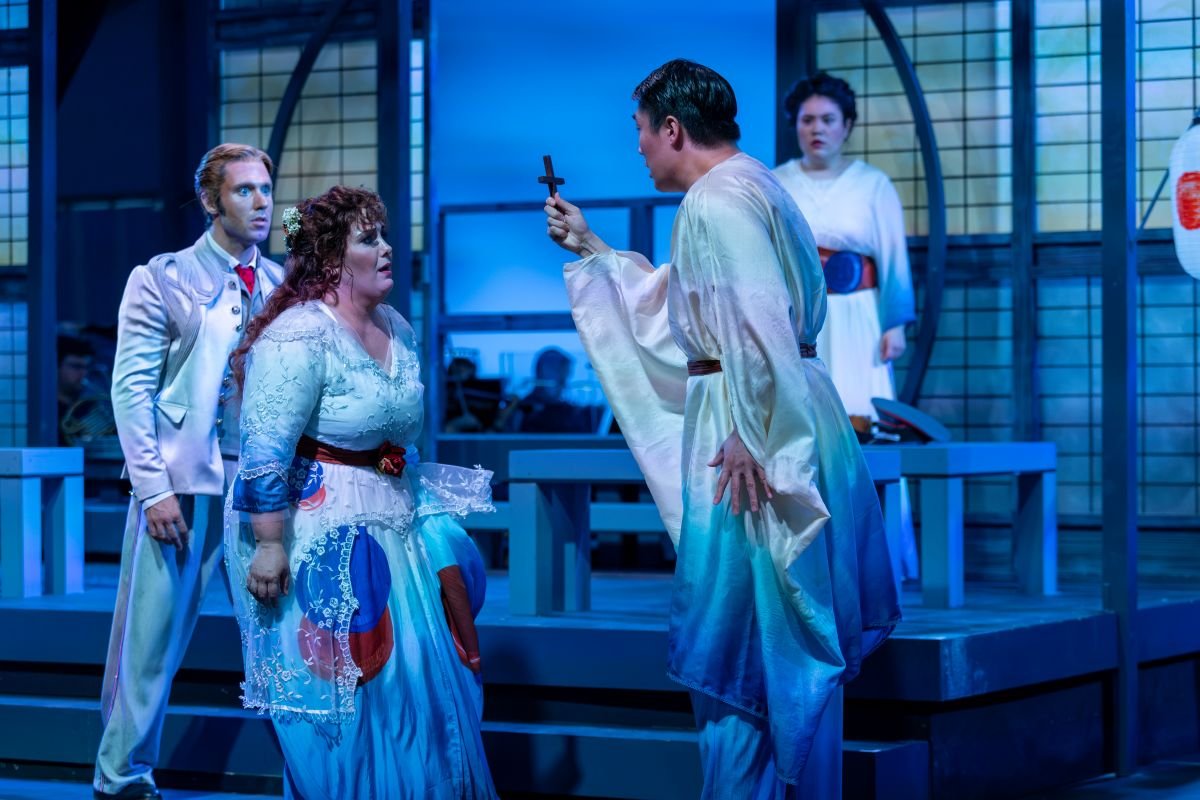
I emphasize the care Summer took to establish the basics Puccini and his librettists… provide … to raise audience empathy for Butterfly from the beginning. Summer also clarifies the basis for Butterfly's estrangement from her family - converting to Pinkerton's religion - and its subsequent effects - in a way that gives later scenes in her production... more weight and emotional underpinning.
...Markey's singing of Cio-Cio-San accentuates the heartbreak Summer so deftly foreshadows.”
-Neal Zoren, Princeton Info
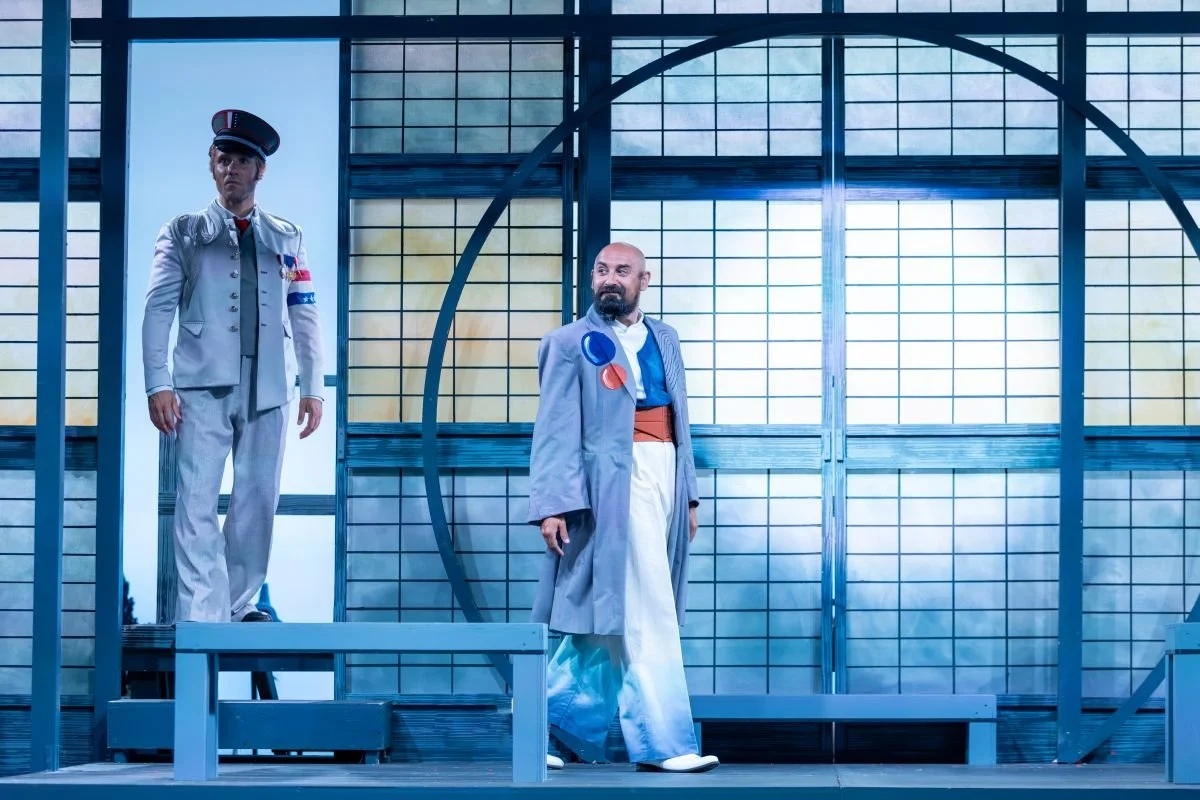
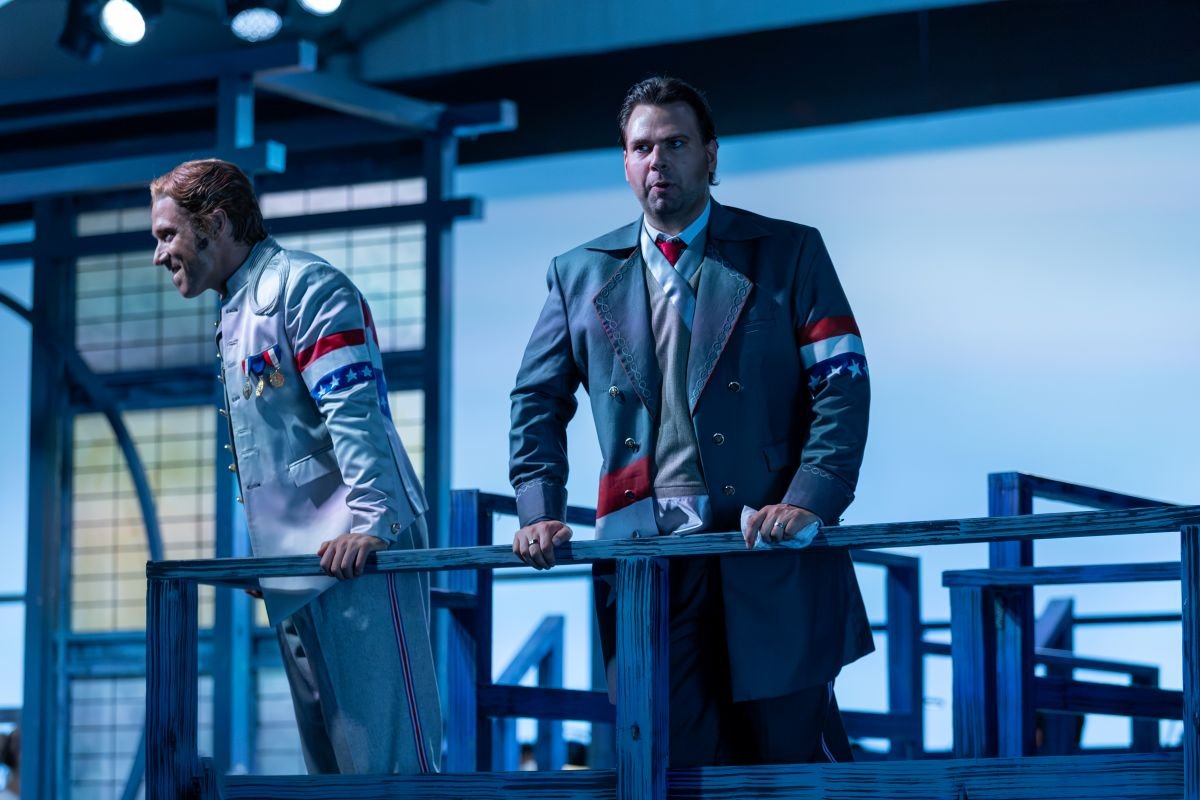
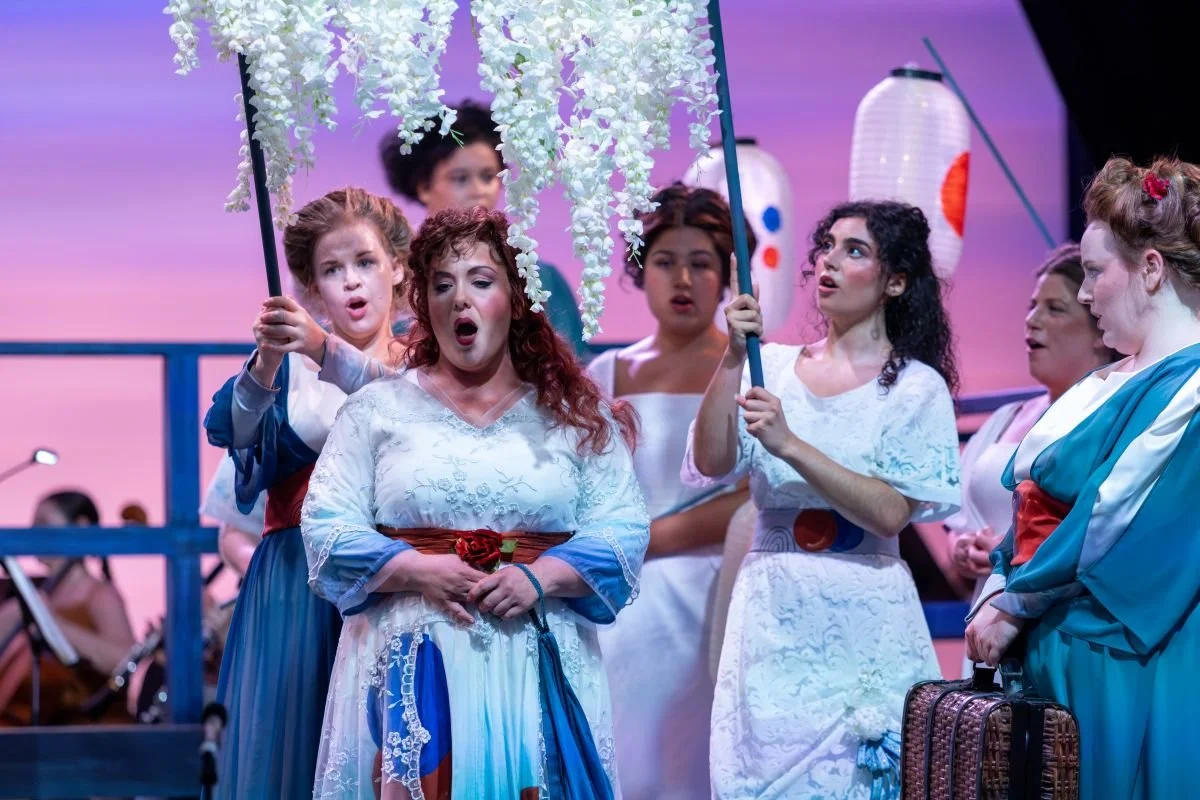
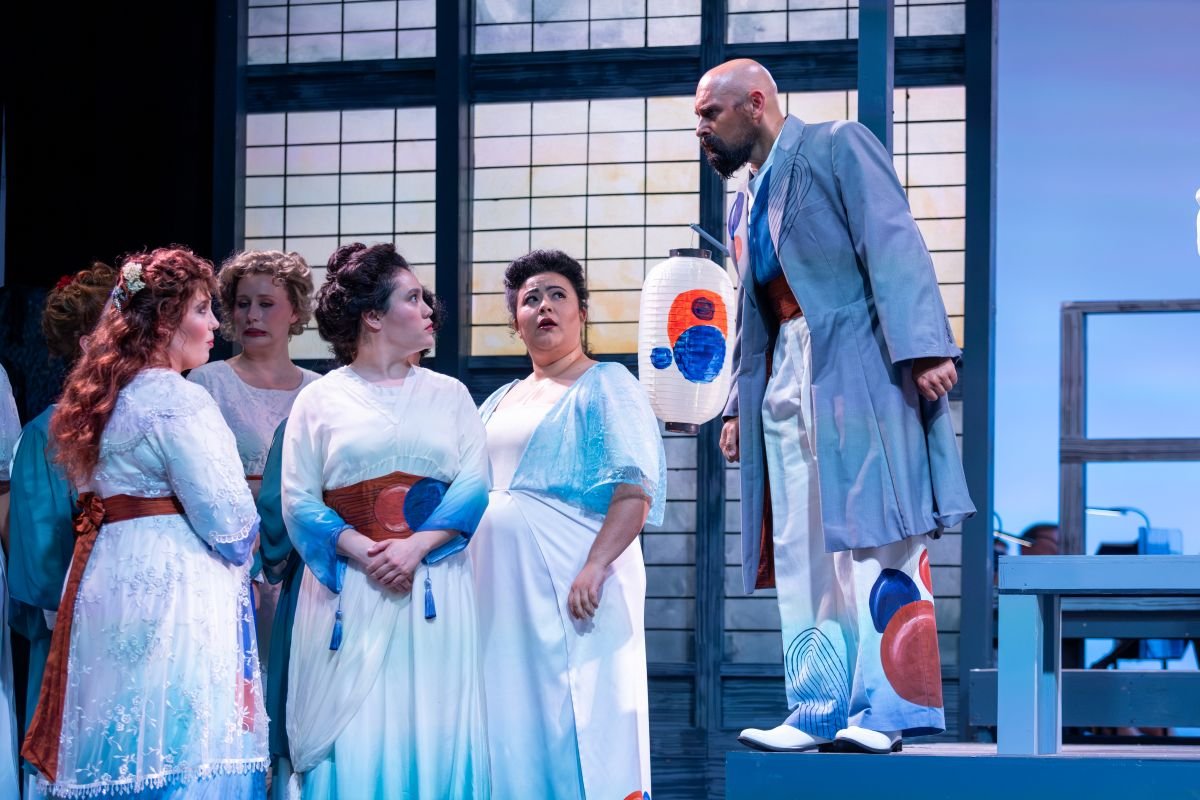
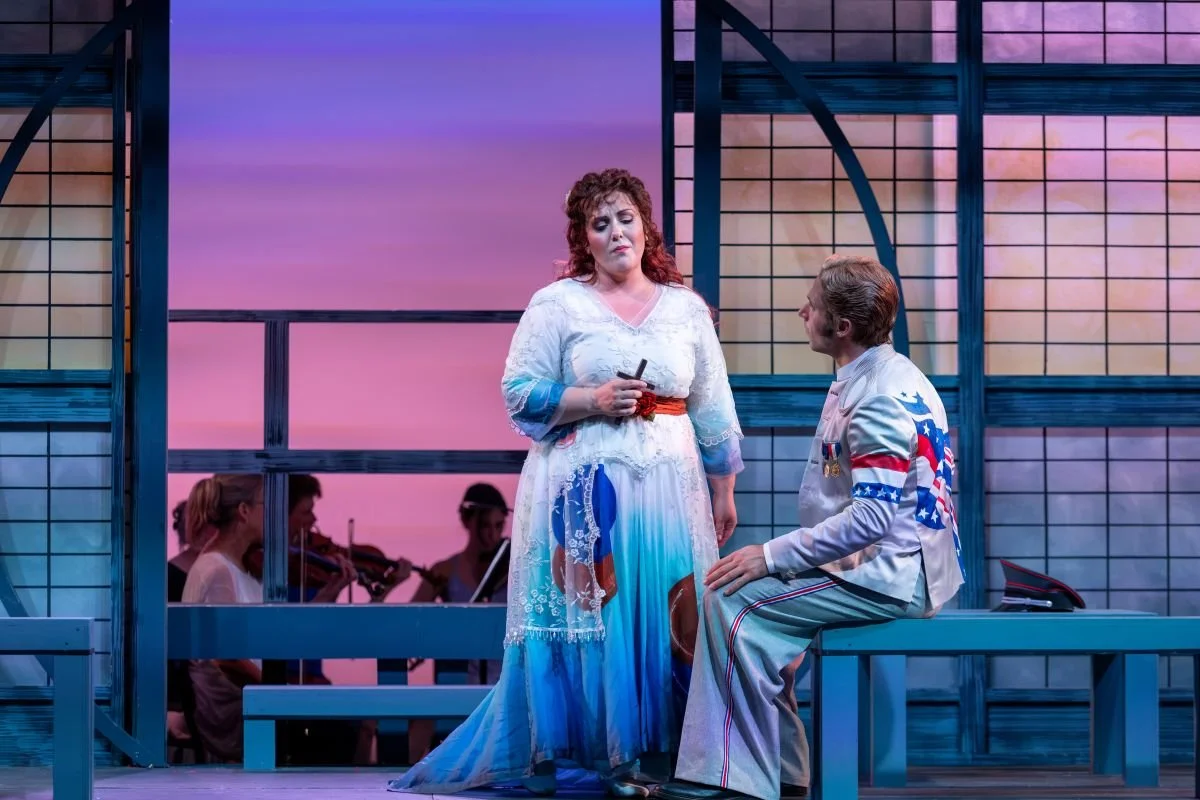
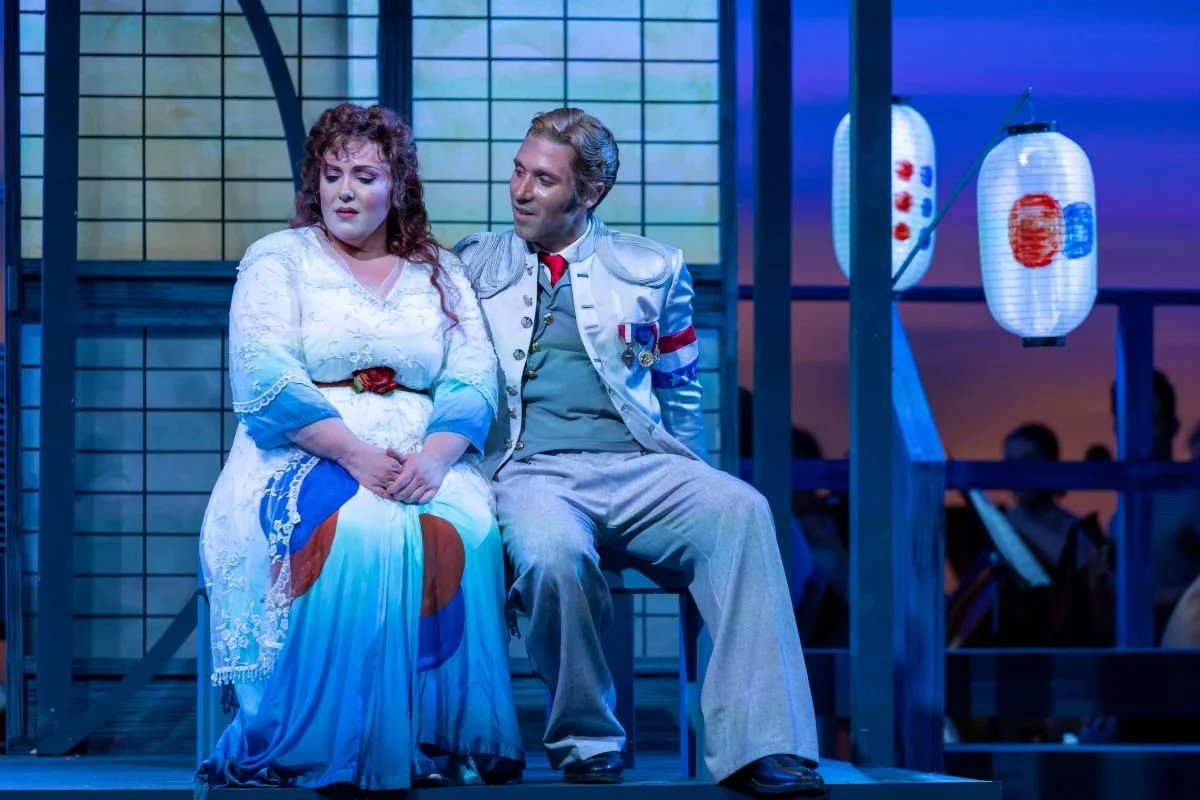
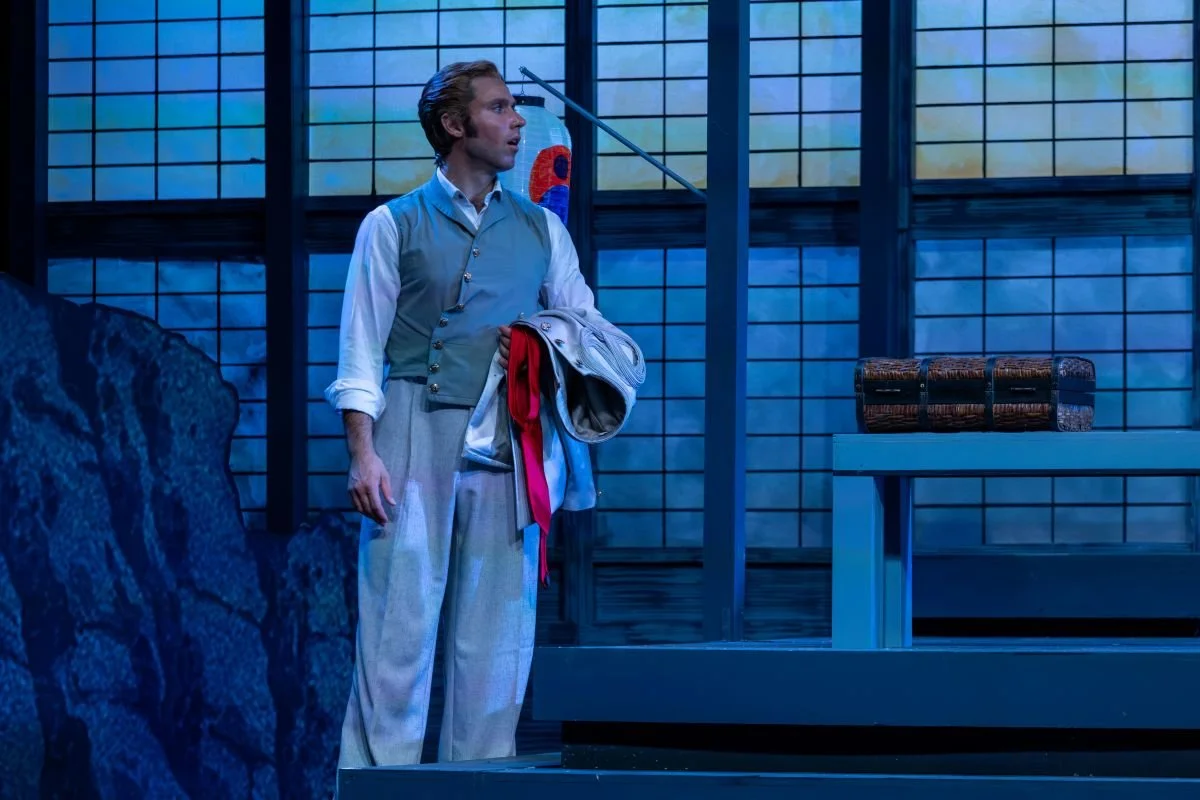
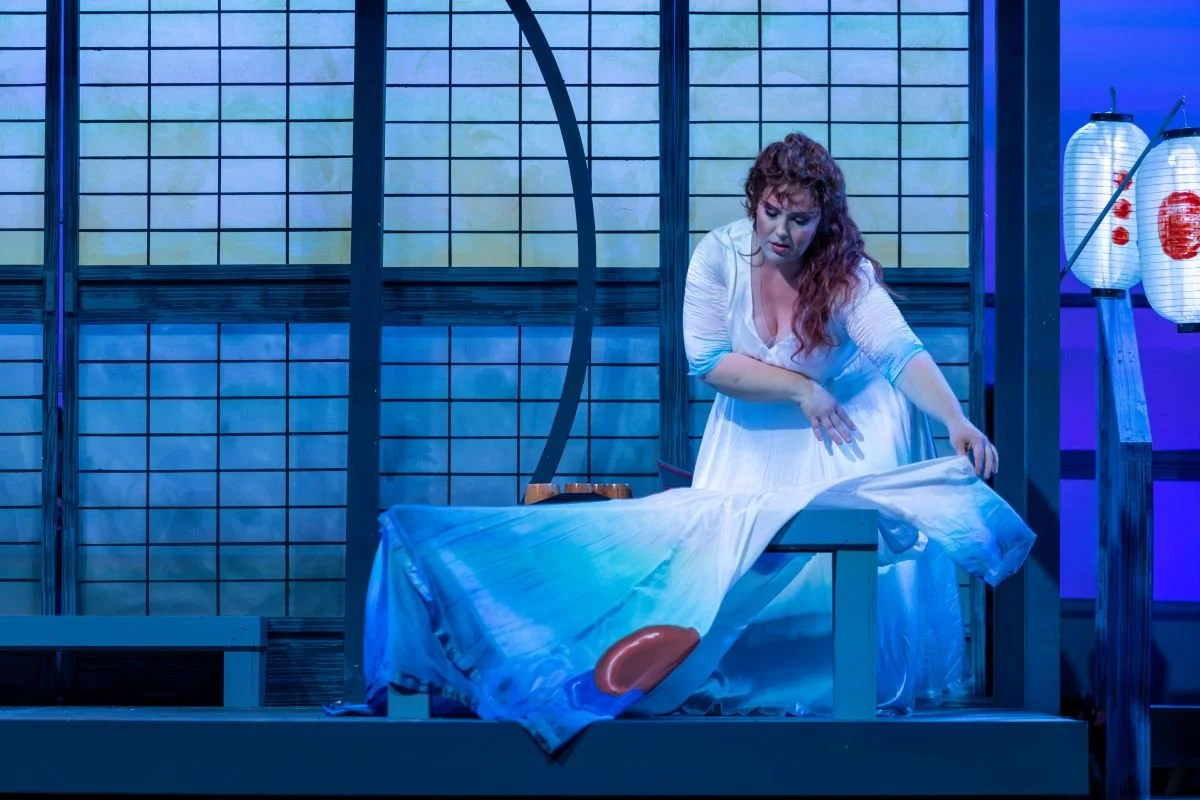
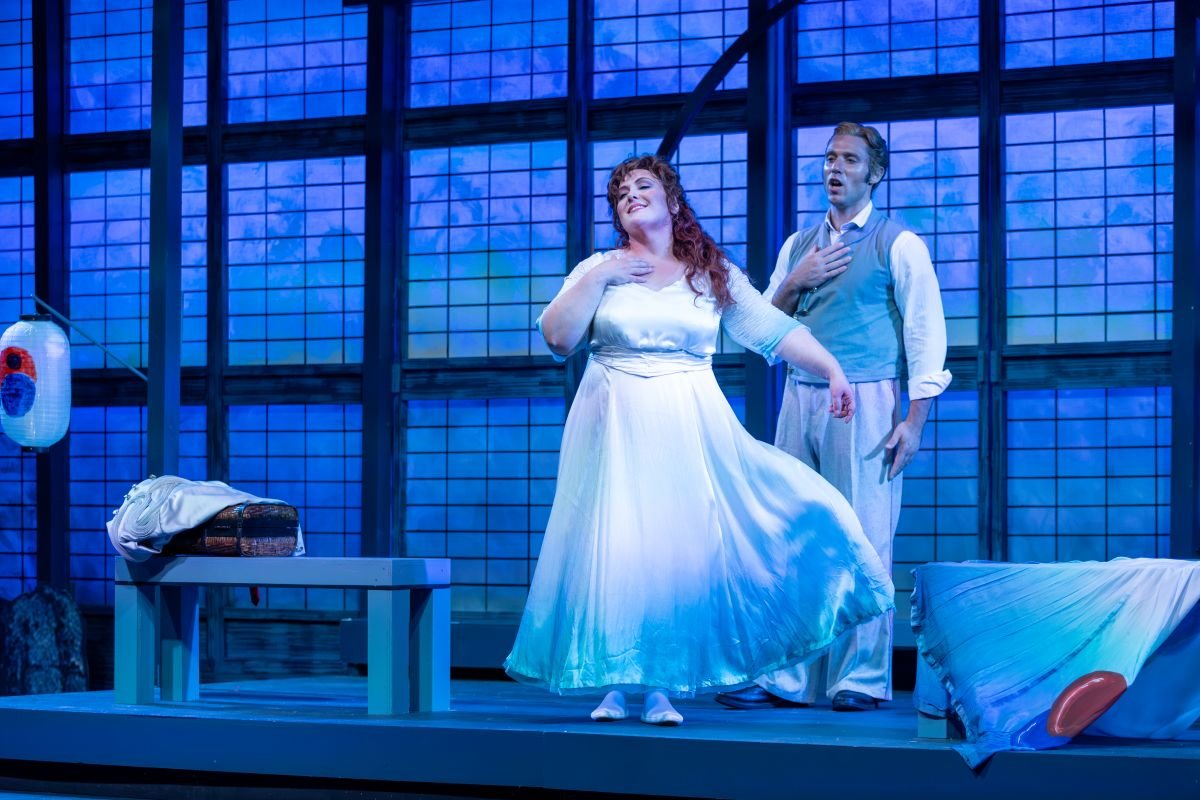
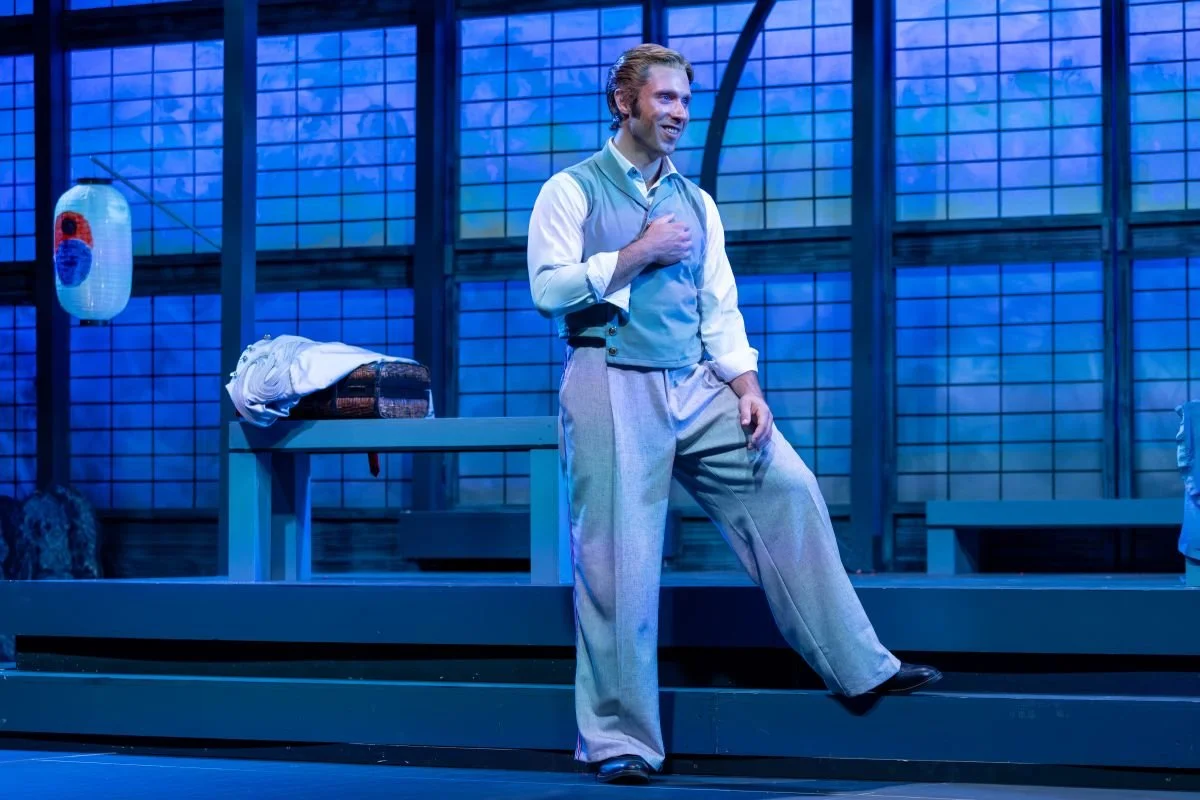
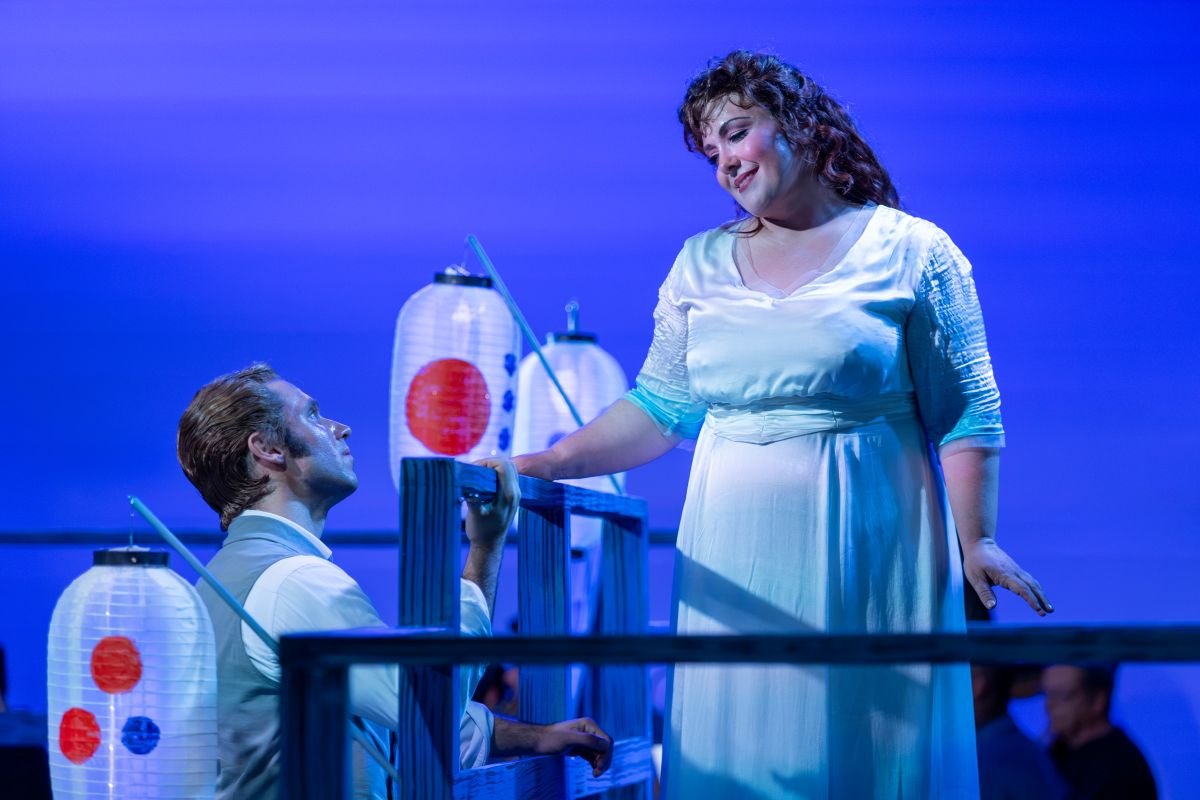
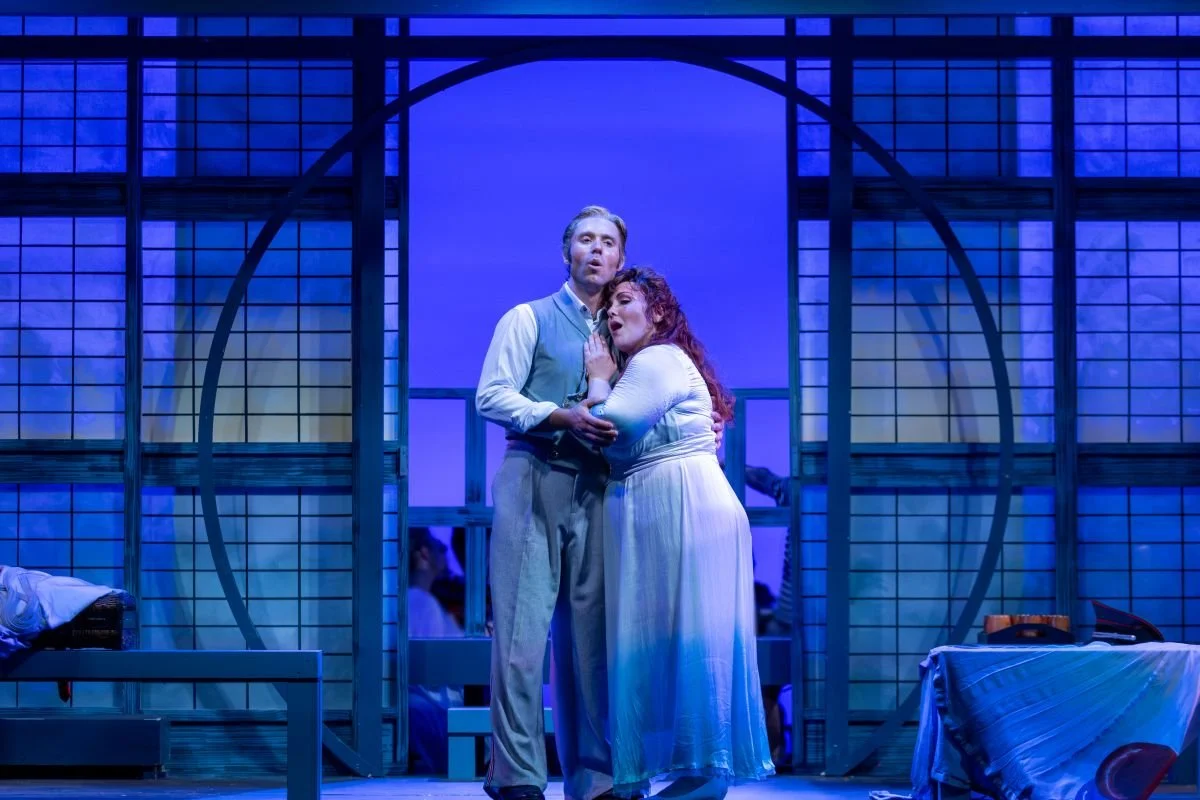
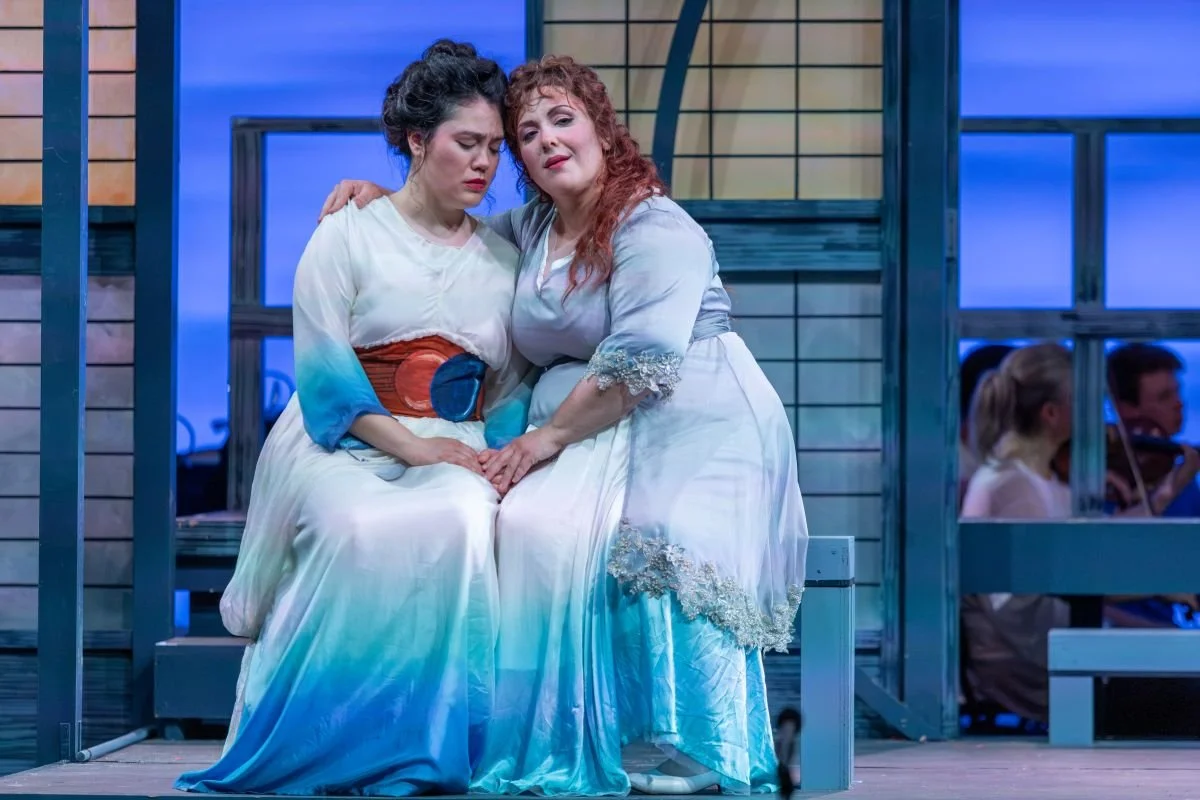
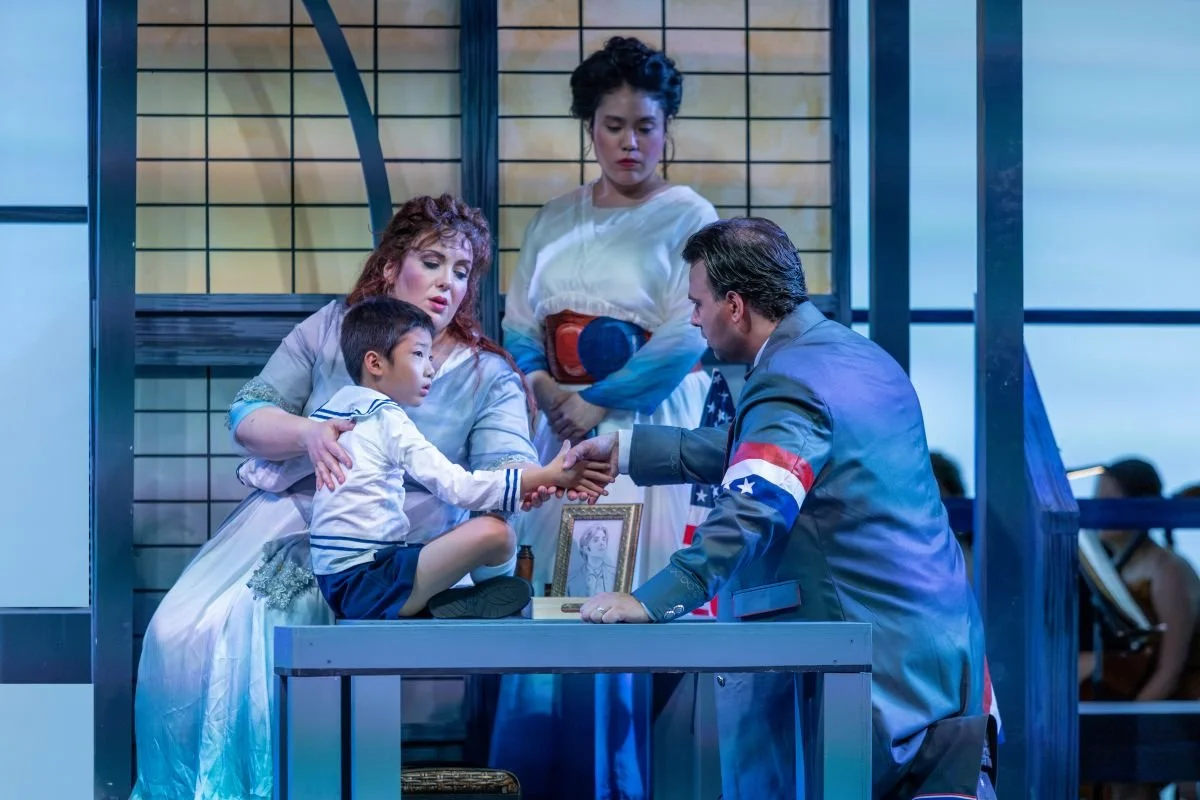
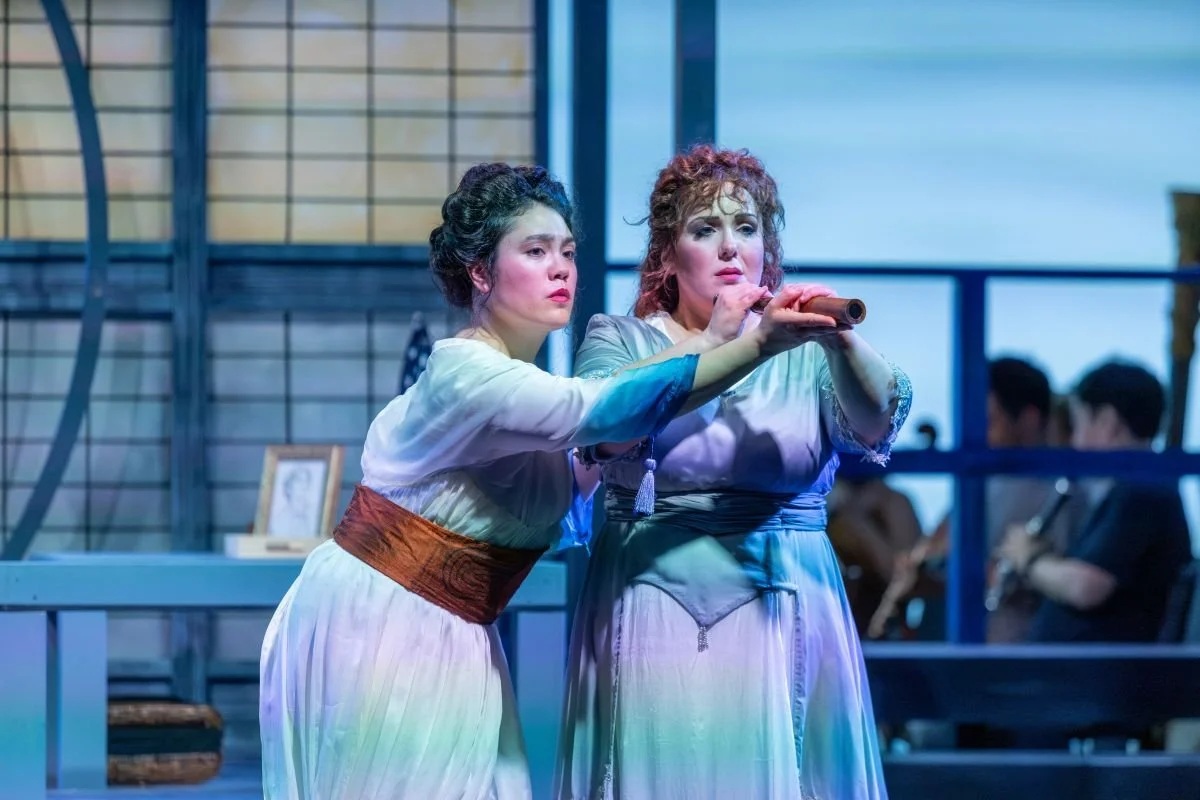
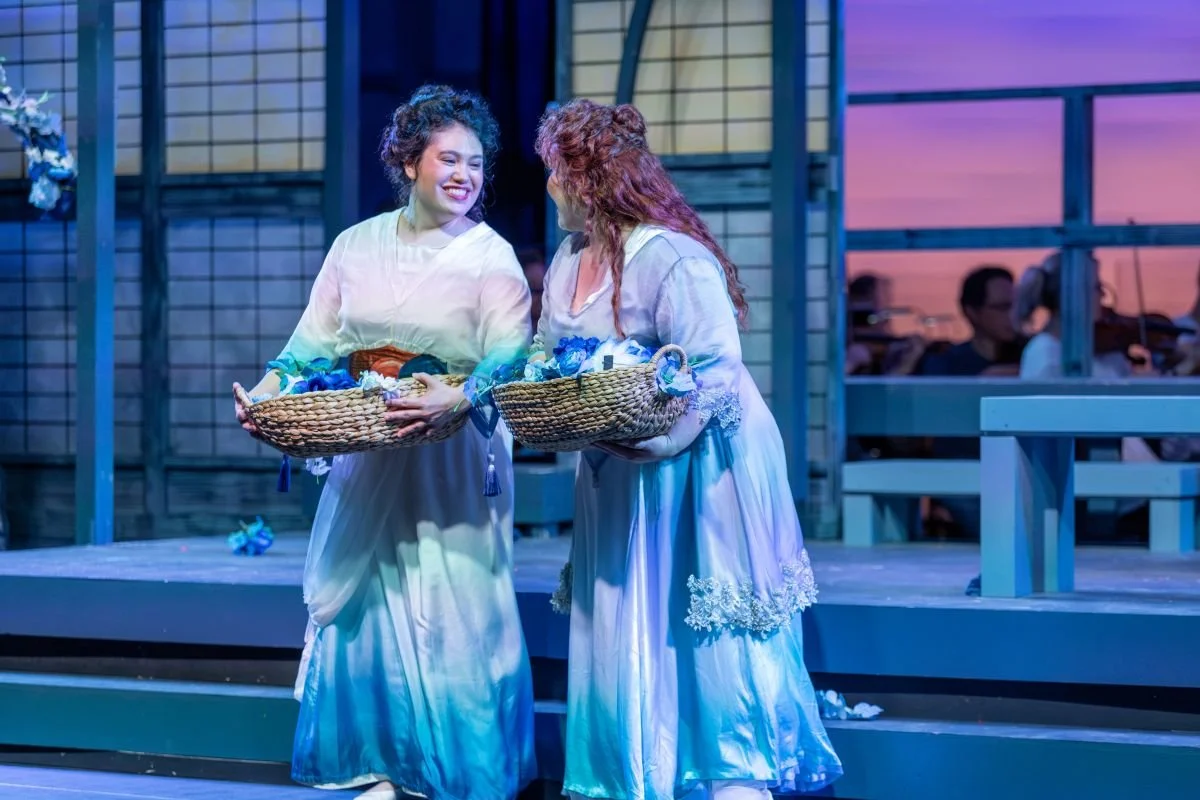
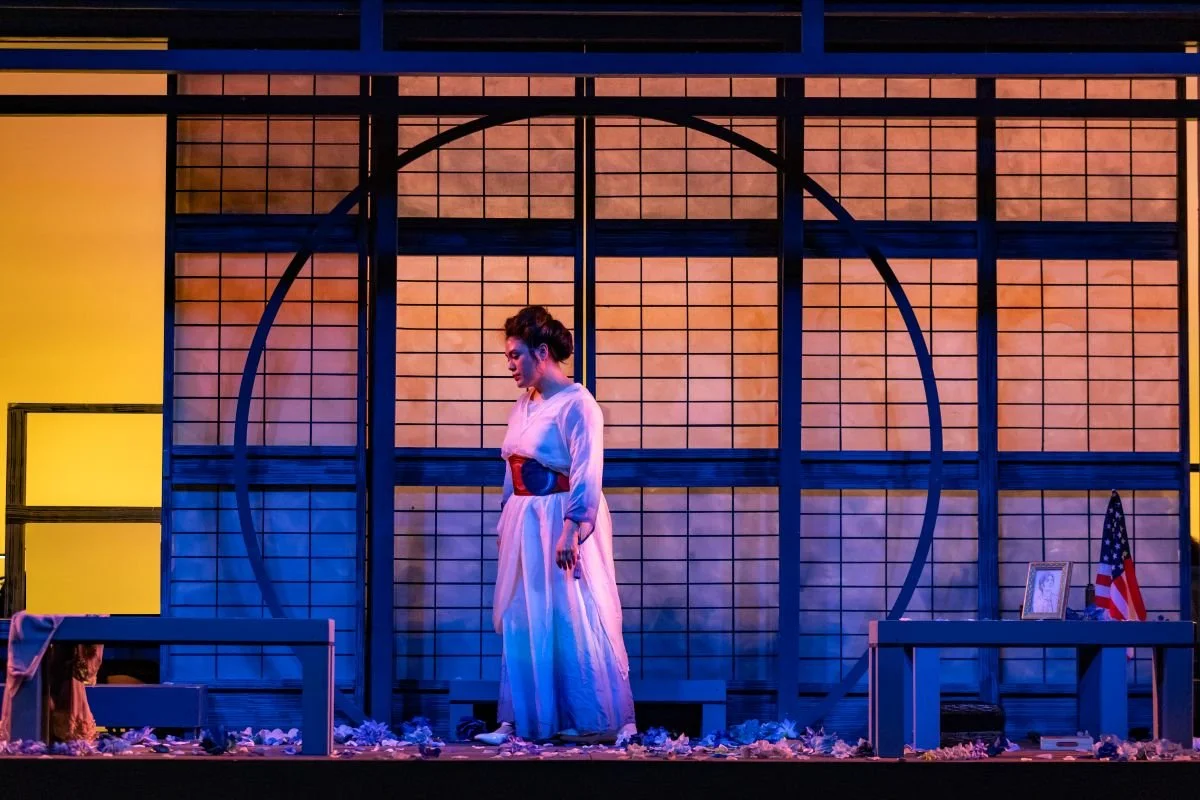
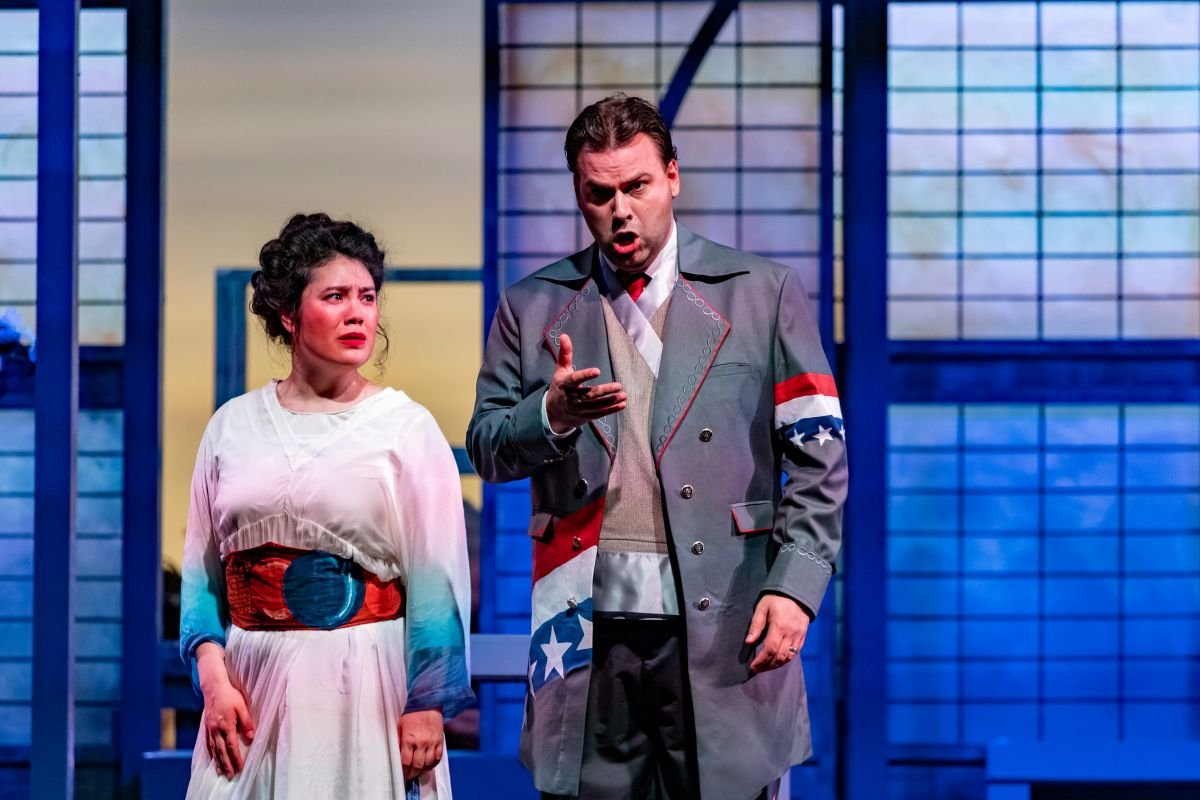
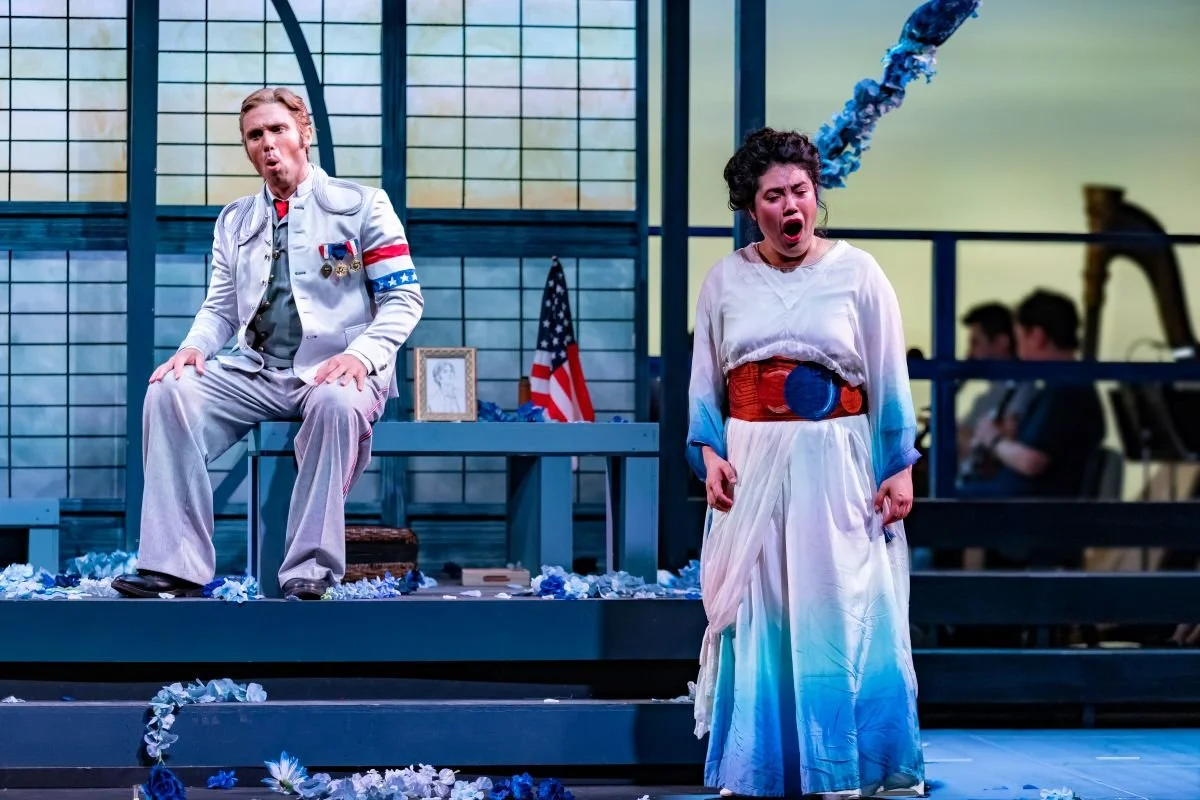
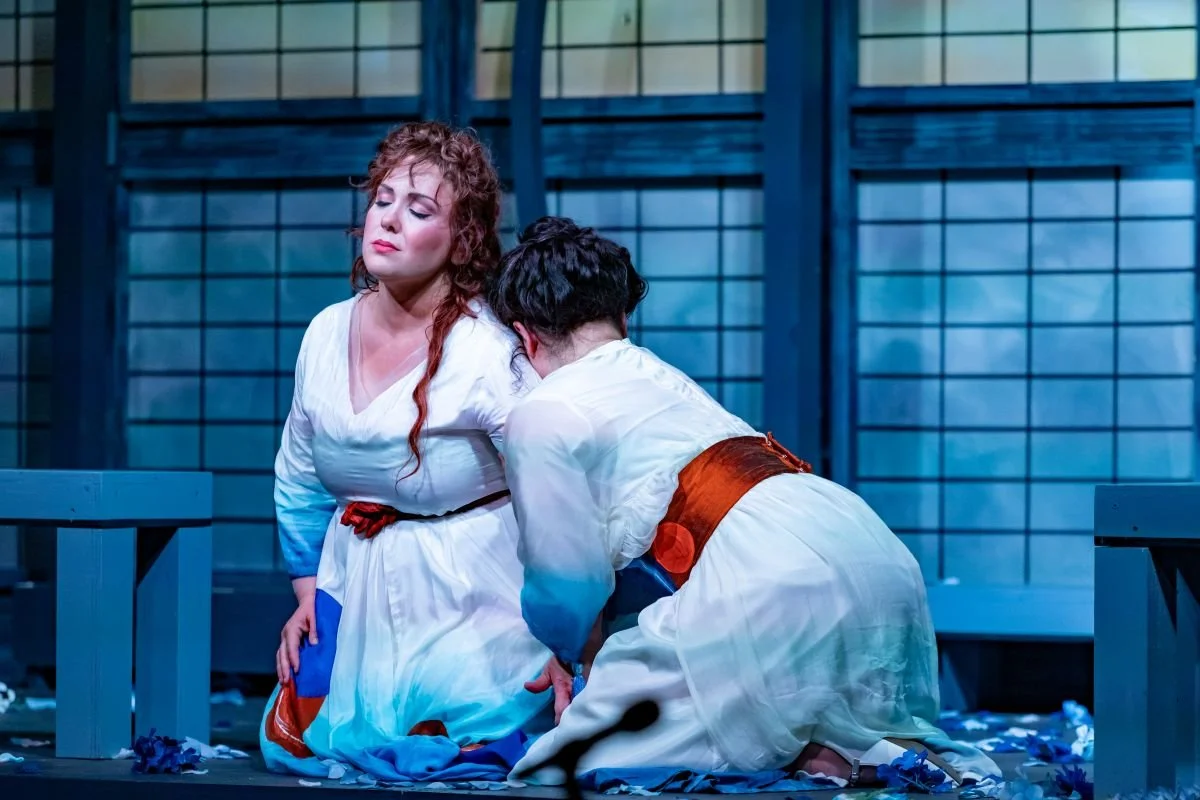
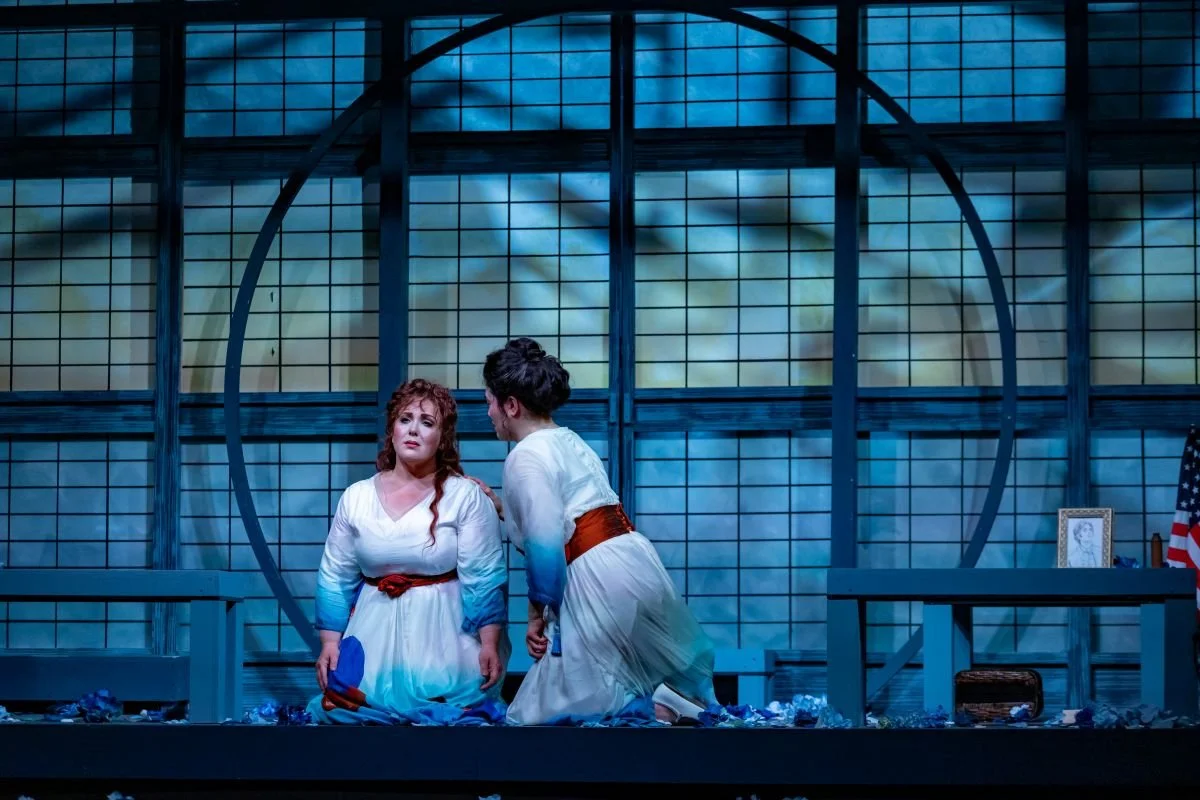
“This was a “Butterfly” alert to the problem of orientalism, and it largely solved or sidestepped it: costume designer Neil Fortin lifted the opera out of easy exoticism fused with an imaginative design of traditional Japanese dress. Red, white, and blue were recurring colors, appearing on lamps and costumes. The show screamed America, rather than fetishized exoticism.Military authority, which can dominate a stage, was also subverted. Pinkerton’s uniform, buffoonish with medals and trimmed in piping, read more like a bellhop than a naval officer (not a bad thing), and Sharpless’s uniform, while less cartoonish, didn’t project a consul but a military governor. The American-flag armbands on both men left little doubt about where the production stood in the current political climate.
What gives the armband its heft is the recognition that “Butterfly” was a parable of power (gunboat diplomacy) that hits differently today, perhaps with more force…The contemporary, global state of affairs is easy to read in director Eve Summer’s interpretation.
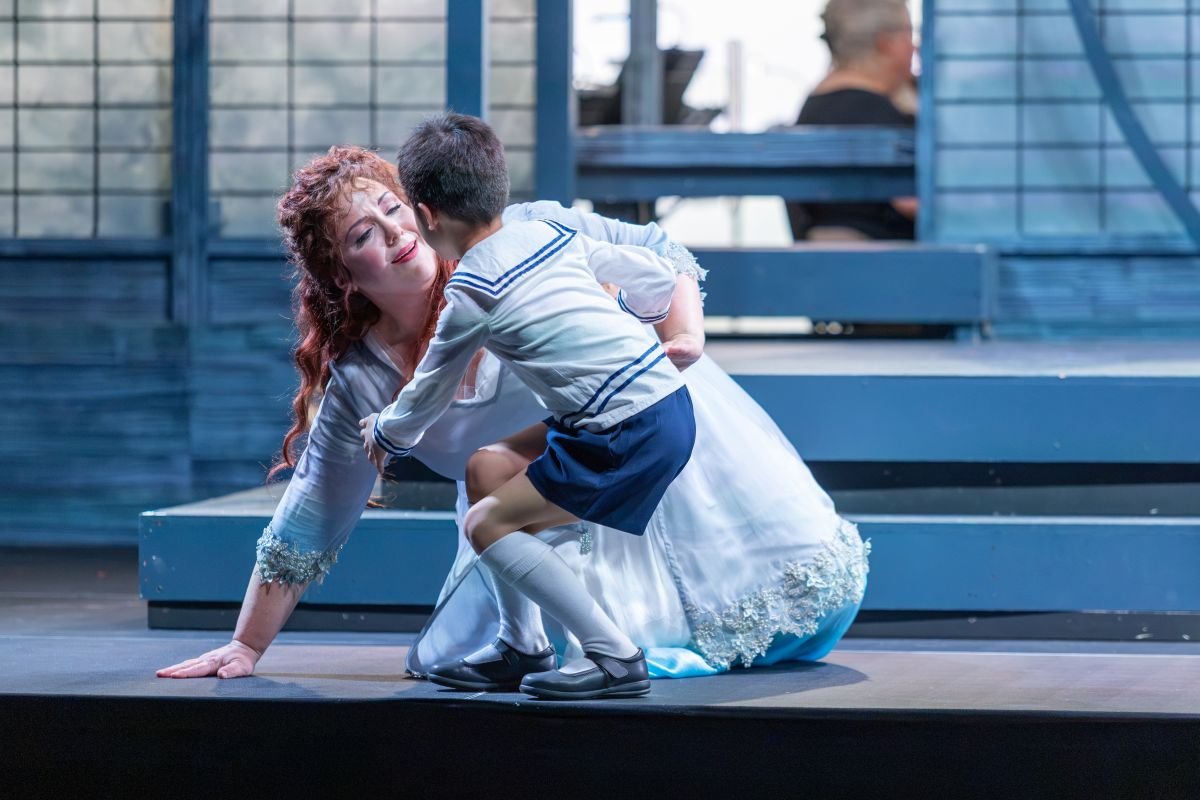
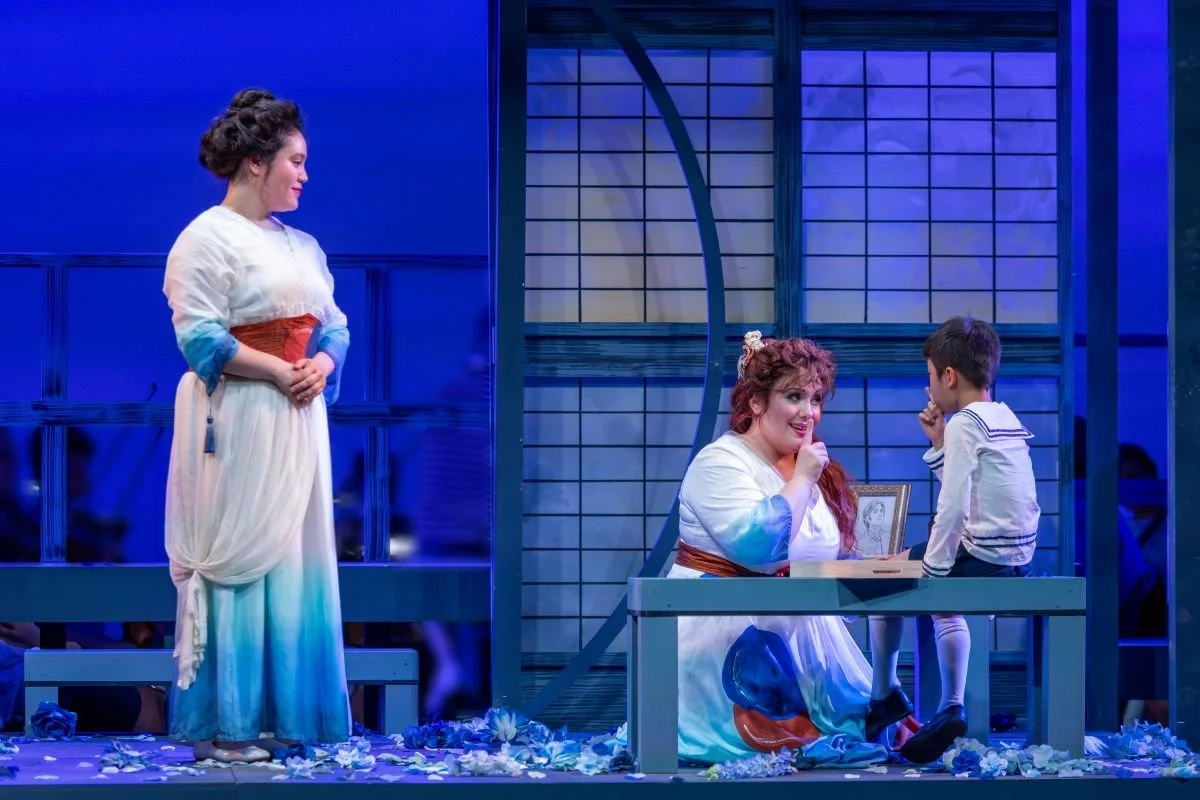
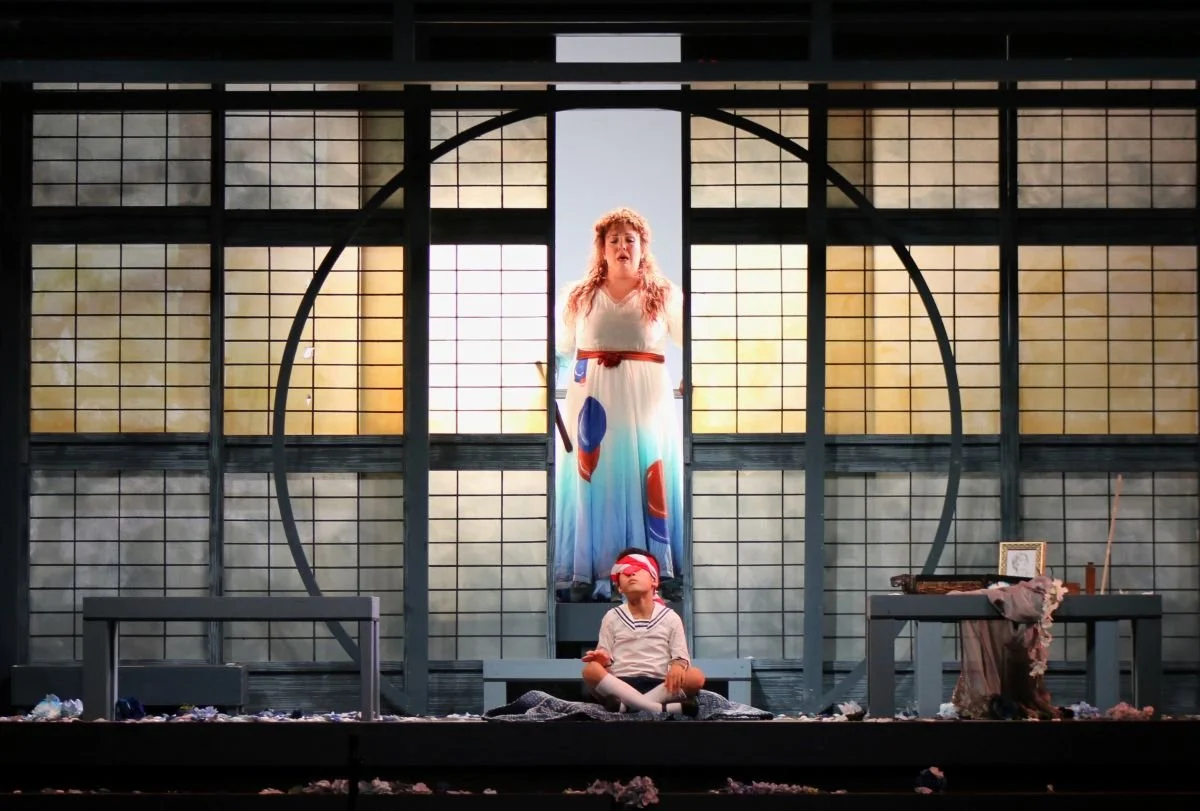
The handling of the child, played by seven-year-old Troy C. Jones, was the production’s final twist of the knife. Far from a prop, he portrayed a real, frightened boy, screaming and crying for his mother as Pinkerton’s wife carried him away—an innocent destroyed by adult frailty and a sad echo of how immigrant children are treated in today’s America.
What this production got right is precisely what most stagings get wrong: it sidestepped the opera’s built-in orientalism and, where it could not maneuver around it, neutralized it through design.”
-Chris Ruel, OperaWire
“The Princeton Festival presents a stylish but also emotionally compelling ‘Madama Butterfly’…The new production by Eve Summer was the much anticipated continuation of the Puccini cycle that began at the 2025 Festival with “Tosca…”
Characters were sharply drawn without lampooning their ethno-racial identities.
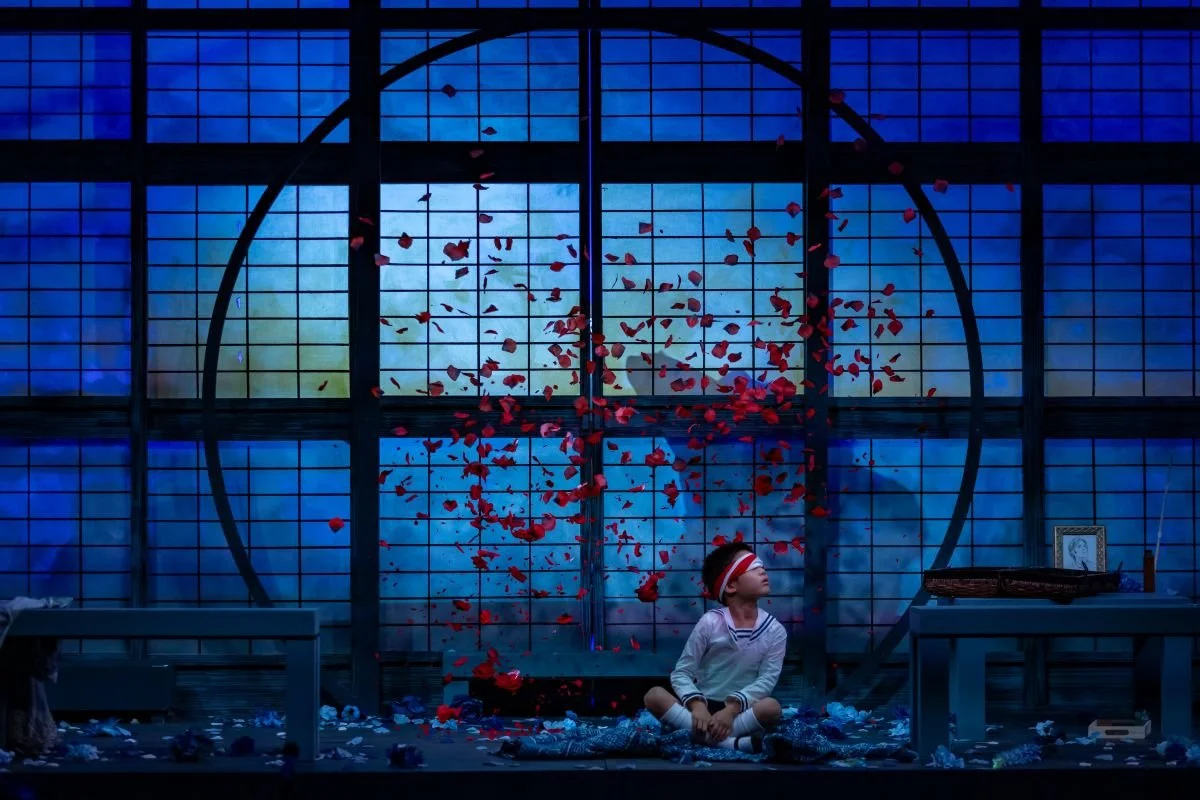
Summer, too, has a keen eye for detail and used symbolism to great effect. In her grand entrance, Butterfly arrived in a garland of white cherry blossoms. At her suicide, a plume of red cherry blossoms rained down on her lifeless body.
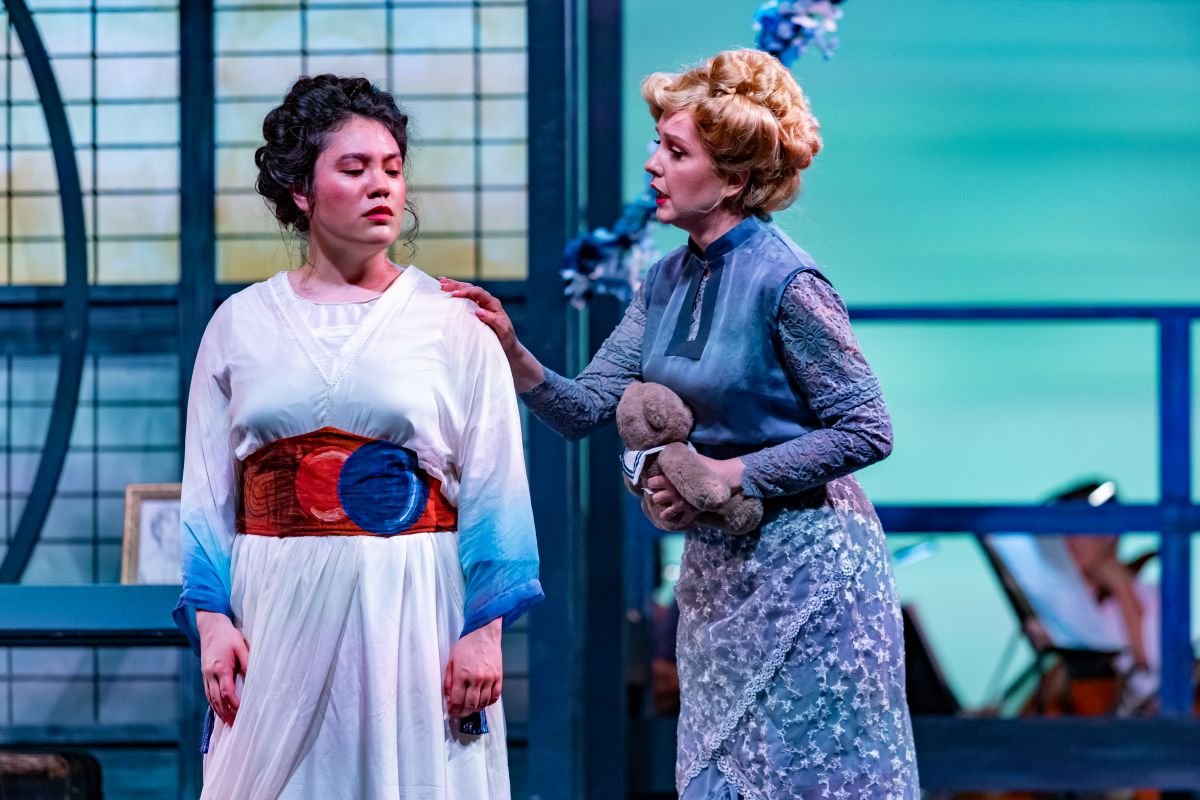
Summer’s visionary crack at the final scene leaned into verismo territory… shifting the focus to the survivors and the consequences of Butterfly’s final sacrifice. The characters had to witness all the damage Pinkerton had caused without the usual emotional resolution… Kate — who had first appeared at Butterfly’s house holding a teddy bear, suggesting that she would make a kind surrogate mother to the child — stormed in, wrestled the child from Suzuki’s arms and fled with him. The traumatized child screamed and screamed for Suzuki, setting the final emotional tone. The audience was left to contemplate the future of the child rather than Butterfly’s death and Pinkerton’s sorrow.
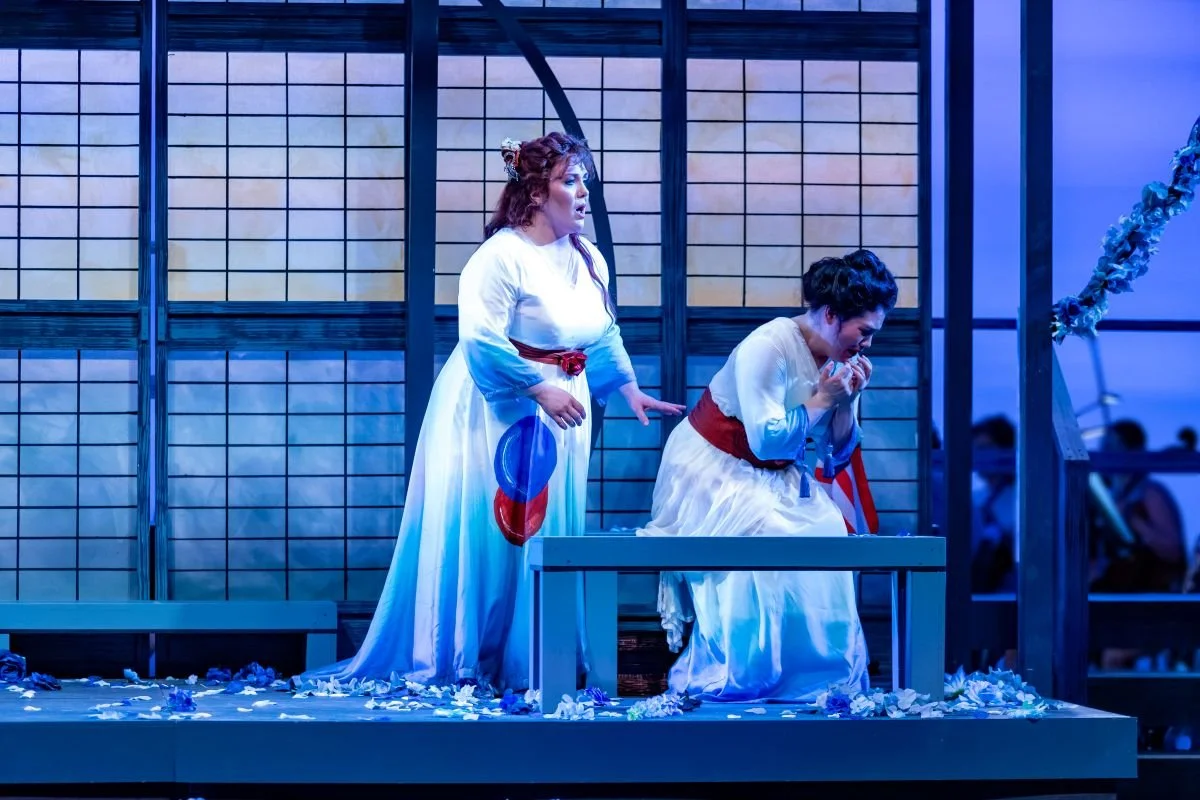
In the libretto, Suzuki is loyal and compassionate to Butterfly, but powerless. Here she had more agency and represented the deep humanity that no one else had shown. Kate’s forcible removal of the child created a duality: Was she rescuing the child or kidnapping him from Suzuki, the symbol of Butterfly’s memory? The ambiguity made for a devastating and open-ended finale.
Butterfly” is famously a tearjerker, but this production was deeply emotional for a variety of reasons.”
-Courney Smith, New Jersey Arts